Quiet luxury isn’t a trend. It’s a correction.
After years of maximalism — the gallery walls, the statement everything, the rooms that tried too hard — there’s a collective exhale happening in interiors right now. Clients are asking for less, but better. Rooms that breathe. Materials that age beautifully. Spaces that feel personal without performing.
The shift is significant. And it’s one we’ve been watching build for several years — not as a pendulum swinging away from one extreme toward another, but as something more considered. A generation of homeowners who have lived through several design cycles are now asking a different question: not what’s beautiful, but what will still feel right in ten years?
Here’s what that looks like in practice this season across the projects we’re working on and the directions we’re most excited about.
Warm Neutrals Are Replacing Cool Greys — for Good Reason
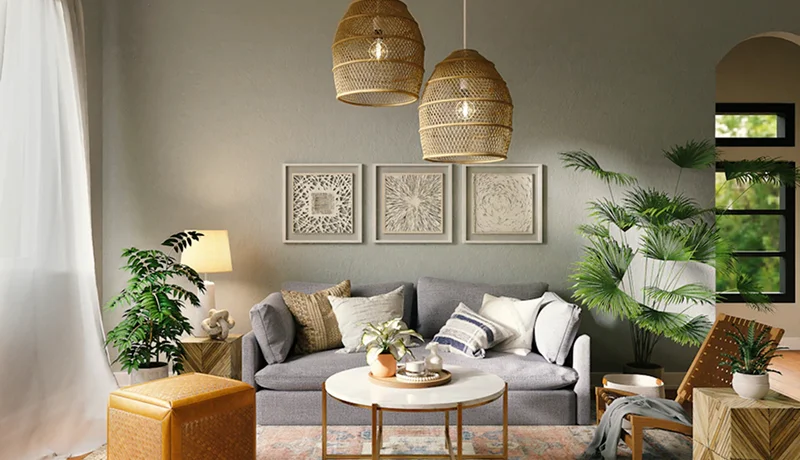
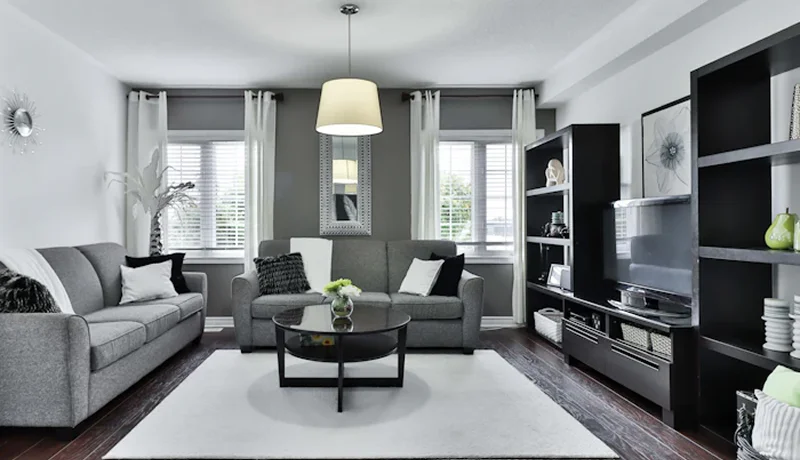
The cool grey moment has passed. What’s replacing it isn’t a dramatic shift in palette — it’s a warming of it. Greige, sand, aged linen, warm stone, and raw plaster tones are defining the interiors we’re seeing most right now, and for good reason: they read as genuinely expensive without effort, they work with natural light rather than against it, and they age in ways that cool tones simply don’t.
Warm neutrals gain depth over time. A wall finished in warm lime plaster looks better at five years than it did on day one. A linen sofa in a tone that mirrors beach sand develops a patina of life rather than looking tired.
These are the colors of materials — stone, soil, bark, linen — and that’s precisely why they feel timeless. They reference the natural world rather than a moment in design history.
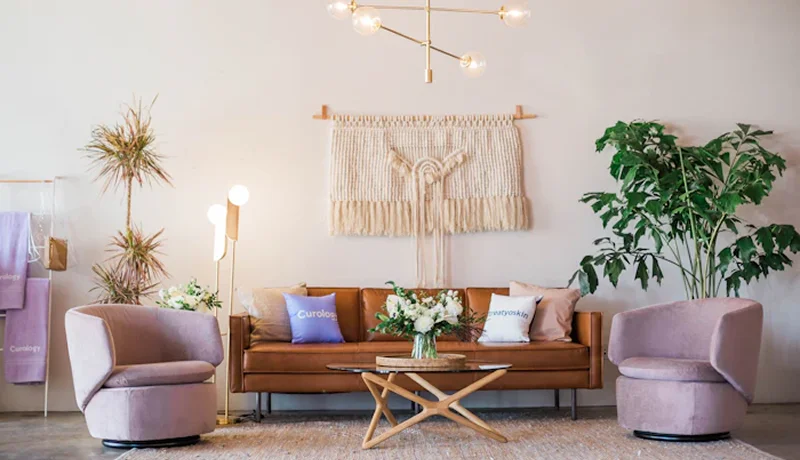
For clients who worry that a warm neutral palette will feel beige and undifferentiated: the answer is always texture and layering. A room built on warm neutrals can carry extraordinary richness when the materials move across different weights and finishes. It’s the contrast of surfaces — not the contrast of colors — that creates depth.
Investment Pieces Over Accent Pieces
One of the clearest signs of the quiet luxury shift is where clients are choosing to spend. The conversation has moved away from the statement accessory and toward the foundational piece that anchors everything else.
One exceptional sofa, chosen for its proportion, its upholstery quality, and its ability to sit in the room for fifteen years. A custom dining table built to a specific size for a specific room. A bed frame that doesn’t need a headboard to hold a wall because it fills the space so completely. These are the decisions we’re having — and they’re more interesting than any decorative layer, because they determine the character of the space permanently.
The practical benefit of this approach is often overlooked: when the investment pieces are right, the room requires far less supplementary decoration to feel finished. You’re not filling gaps — you’re letting the bones speak.
Natural Materials, Deliberately Imperfect
There’s a particular kind of beauty that’s gaining ground right now — one that isn’t about perfection. Travertine with its natural voids left unfilled rather than grouted smooth. Lime plaster walls that hold the mark of the trowel. Timber that shows its knots. Leather that will scar and deepen with use.
These finishes share something important: they look better used than they did new. And that quality — the capacity to age with grace — is increasingly what clients are asking for.
The alternative is materials that peak on move-in day and decline from there. Highly polished surfaces that show every fingerprint. Perfect finishes that chip and can’t be touched up. Decorative objects that feel provisional, easily replaced when the next trend arrives.
The shift toward imperfect natural materials is also a shift toward permanence — rooms that are built to live in, not to photograph and move on from.
The Art of Editing: Fewer Objects, Better Ones
If there’s one skill that defines the quiet luxury approach, it’s editing. And it’s harder than it sounds.
The instinct when a room feels incomplete is to add. Another cushion. Another piece of art. Another plant, lamp, or object on the shelf. But in most rooms we walk into — whether in a design context or a social one — the problem isn’t absence. It’s excess. Too many objects competing for attention, none of them landing.
Editing requires confidence. It requires the willingness to leave a surface bare, to let a wall breathe, to trust that a room with twelve considered objects will always outperform a room with forty indifferent ones.
The discipline we’re applying across our projects this season is simple: every object in the room should either have genuine meaning to the client or genuine quality of form. If it has neither — if it’s purely decorative filler — it goes. What remains is a room that feels curated rather than collected, chosen rather than accumulated.
What This Season Is Really About
The thread running through all of it — the warm neutrals, the investment pieces, the natural materials, the editing — is a single idea: trust the room.
When the bones are right, when the materials are honest, when the proportions are considered, a space doesn’t need decoration to announce itself. It announces itself by making you feel something the moment you walk in. Calm. Warmth. Belonging.
That’s the kind of home we’re building right now — for clients who have moved past wanting to impress and arrived at simply wanting to live well.
And honestly, it’s some of the most exciting work we’ve done.